August Förster
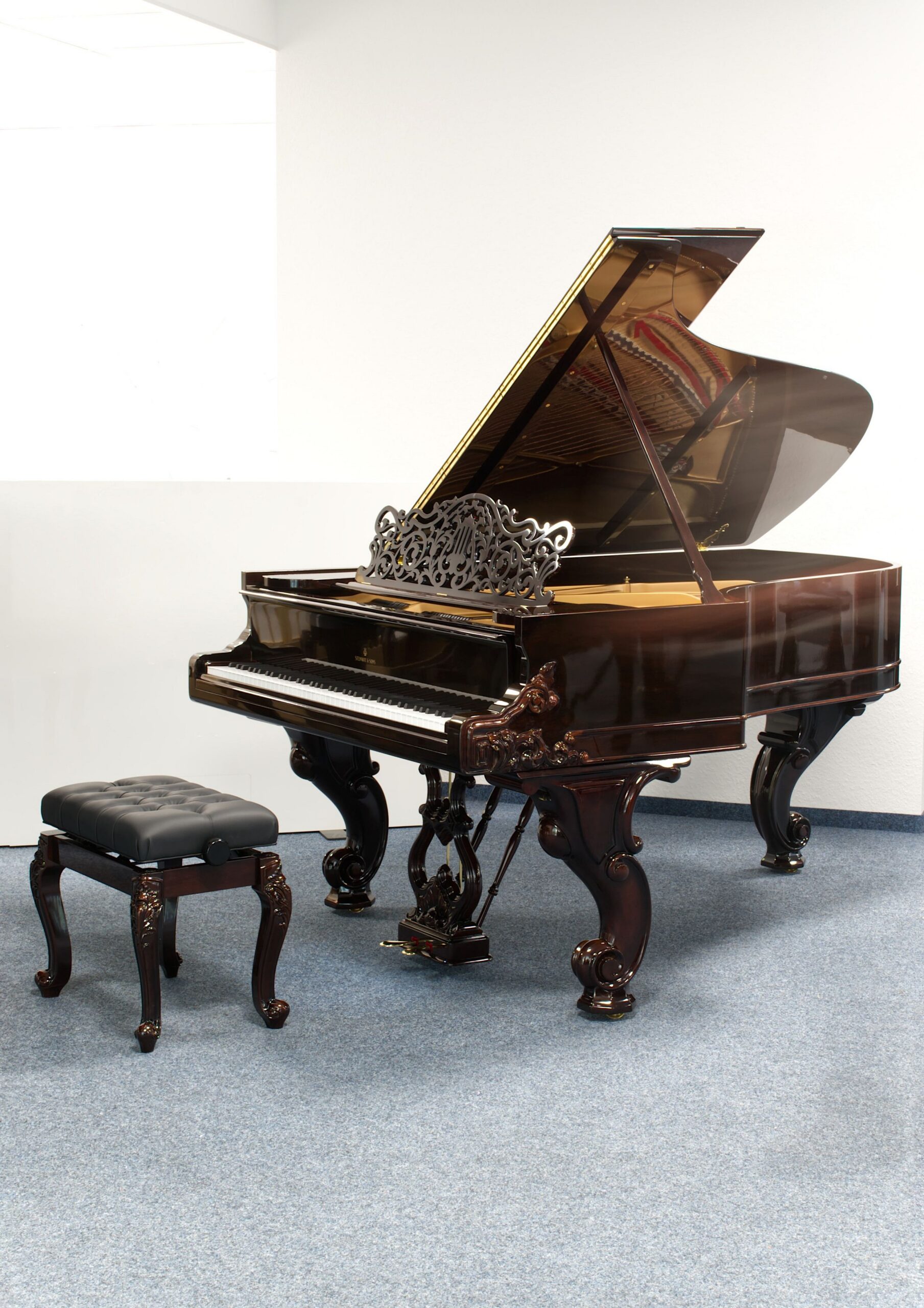
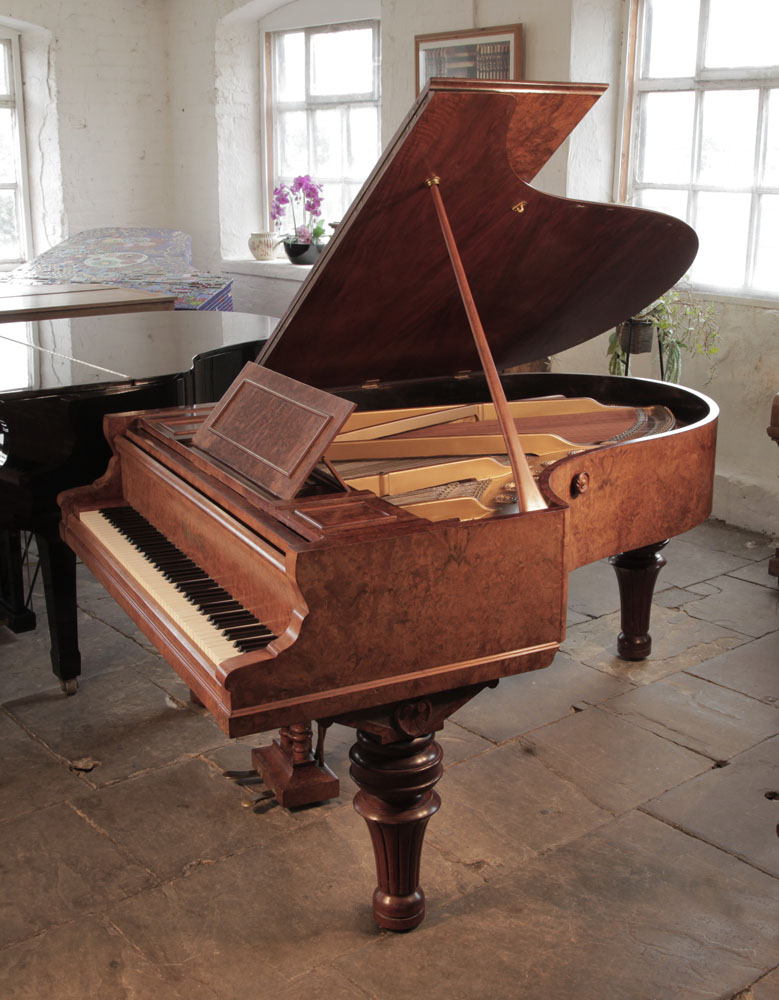
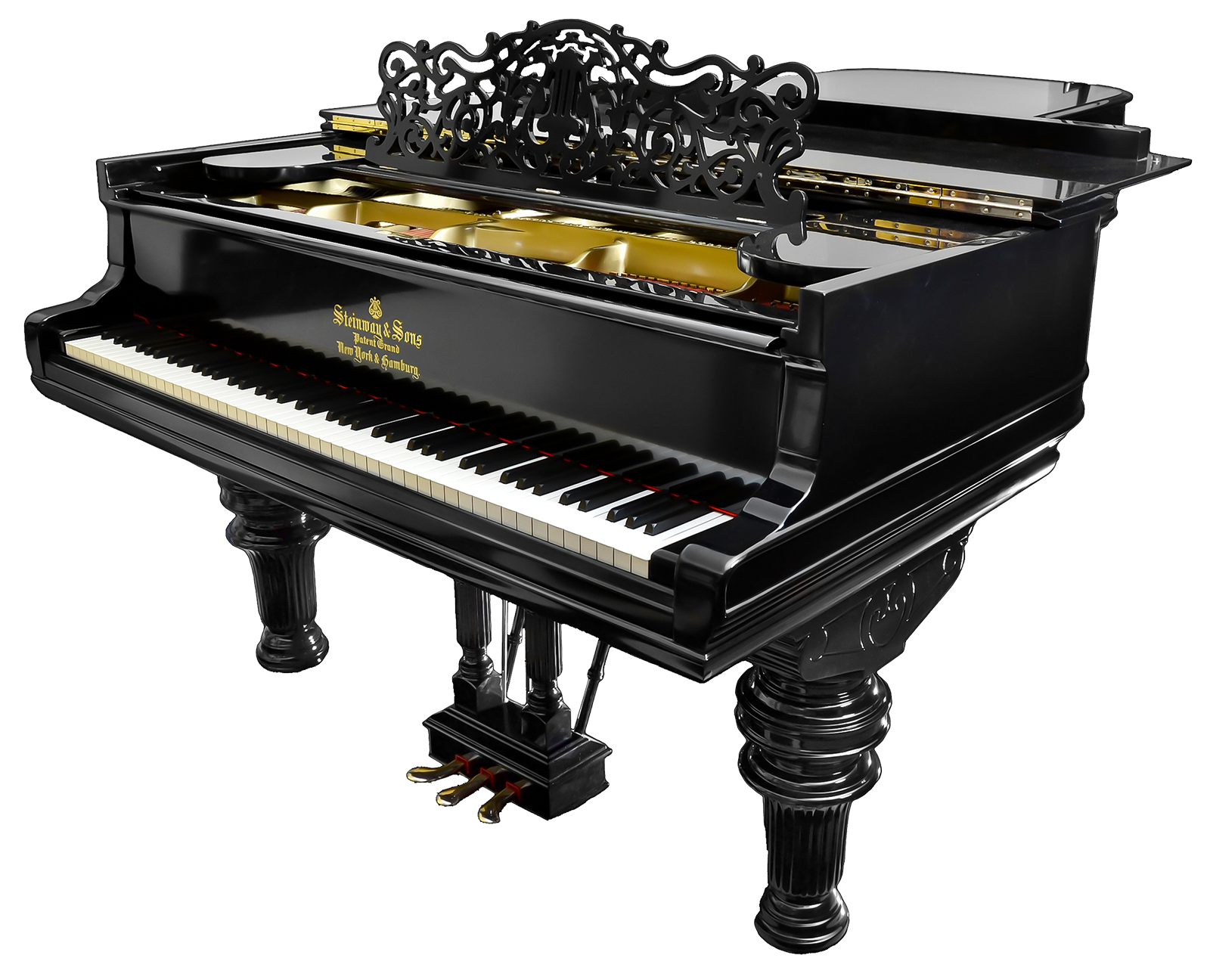
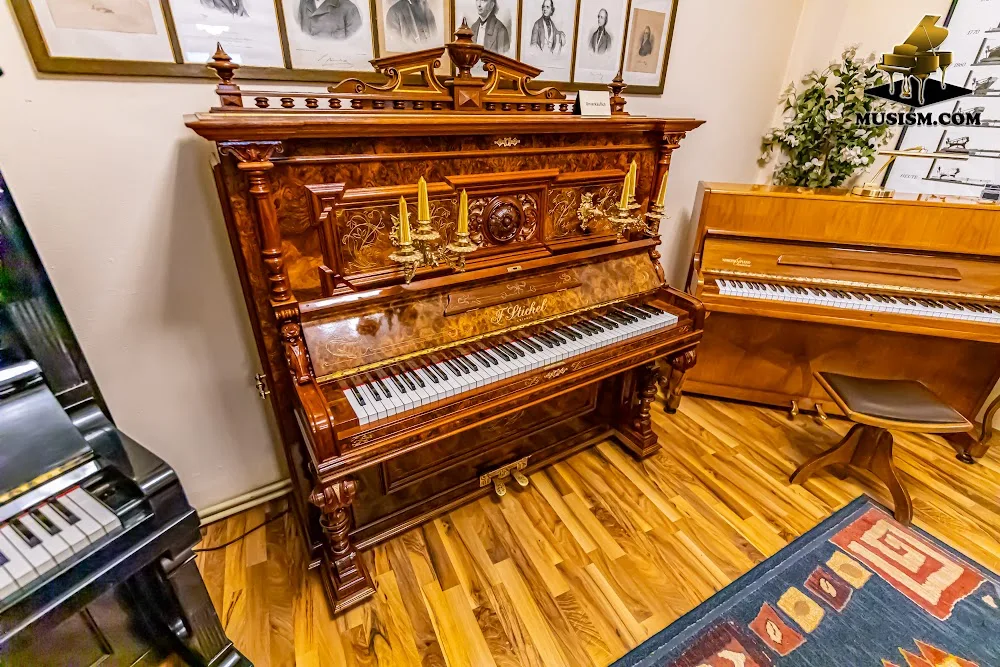
August Förster je njemačka kompanija za gradnju klavira (također „Foerster”, ponekad „Forster”, službeno „August Förster GmbH Kunsthandwerklicher Flügel-und-Pianobau”) koja trenutno zapošljava 40 ljudi i godišnje proizvodi oko 120 klavira i 150 pianina.
Historija Istorija
On 1 April 1859, August Förster opened a small piano workshop in Löbau, Germany, which in 1862 was expanded into a factory on Jahnstraße in Löbau. This facility, which is still in operation today, was extended and modernised by the Förster family and remains the exclusive location for the production of the original August Förster piano.
In 1897 Cäsar Förster succeeded his father August as head of the company and in 1900 opened a second factory in Jiříkov, Bohemia (later Czechoslovakia and the Czech Republic).
The owner Franz Cäsar Förster received an imperial-royal mandate of appointment at the court of Austria-Hungary.
Vierling-Förster Piano
In 1937 the company produced one of the first electric pianos, the “Vierling-Förster” piano, which had been developed by Oskar Vierling at the Heinrich Institute for Oscillation Research at the Technical University of Berlin using electromagnetic sensors.
In 1948 the plant in Jiříkov was nationalised. Under the new, state-sanctioned management many good pianos were produced, but since 1948 the pianos made in Czechoslovakia have had no connection and no relation to the German August Förster. This “other” August Förster is currently made in the Czech Republic by the Petrof Piano Company and sold in Canada and some European countries.
In 1972, in the final phase of the nationalisation of East Germany, the company was converted into a state-owned enterprise, the “VEB Flügel-und-Pianobau Löbau”. Although still under the management of Wolfgang Förster, the company was affiliated with the Deutsche Piano-Union, Leipzig. The family name was restored to the company’s official name in 1976, resulting in instruments with the brand name “VEB Förster Pianos Löbau”. Also in 1976 the company began its first exports to the USA.
Poznati kupci Znani kupci
Many famous musicians prized the Förster piano of German production. Among them were Richard Strauss and Sergei Prokofiev, who both owned Förster pianos, and Giacomo Puccini, who wrote a number of his operas while working at a Förster piano[6]. Robert Fischer, Alex Duke and Anton Kuerti are also known for their appreciation of the August Förster piano[6].
Awards
Förster pianos have won numerous prizes for their quality and sound, including the “award of the gold medal for the Rococo grand piano” in 1987.
In Larry Fine’s The Piano Book, the German-made August Förster piano receives the highest possible rating in the categories of performance, quality control and trust (a term Fine uses for overall durability). In his category “High Quality Performance Pianos”, Fine places the modern August Förster piano directly behind internationally renowned instruments such as C. Bechstein, Grotrian and Bösendorfer. Fine also praises the modern Förster piano for its “remarkable bass” and also comments on a particular “responsiveness” of the Renner action when observed in the Förster application.
In Popular Culture
An August Förster piano was seen by audiences around the world as the star instrument of the film The Pianist.
Trenutni modeli uspravnih klavira i klavira sa klavijaturama
Model Dužina Težina
170 170 cm (5’8″) 350 kg
190 190 cm (6’4″) 375 kg
215 215 cm (7’2″) 470 kg
275 275 cm (9’1″) 550 kg
Trenutni modeli uspravnih klavira
Model Visina Težina
116 D 116 cm (46″) 215 kg
116 E/C 46″ (116 cm) 225 kg
125 G 125 cm (49″) 240 kg
125 F 125 cm (49″) 240 kg
134 K 134 cm (53″) 280 kg